



As China continues to become one of the world’s largest automobile exporters, more dealers and distributors are sourcing vehicles directly from Chinese suppliers. However, one question is asked more frequently than ever:
“Why are ocean freight costs increasing?”
International shipping rates are influenced by many global factors and fluctuate regularly. Understanding these factors can help importers better plan their purchases and reduce logistics costs.
In this article, we explain the six main reasons behind the recent increase in international ocean freight rates.
1. Strong Growth in China’s Automobile Exports
China’s automobile exports have reached record highs in recent years, driven by increasing demand for both electric vehicles (EVs) and gasoline-powered vehicles.
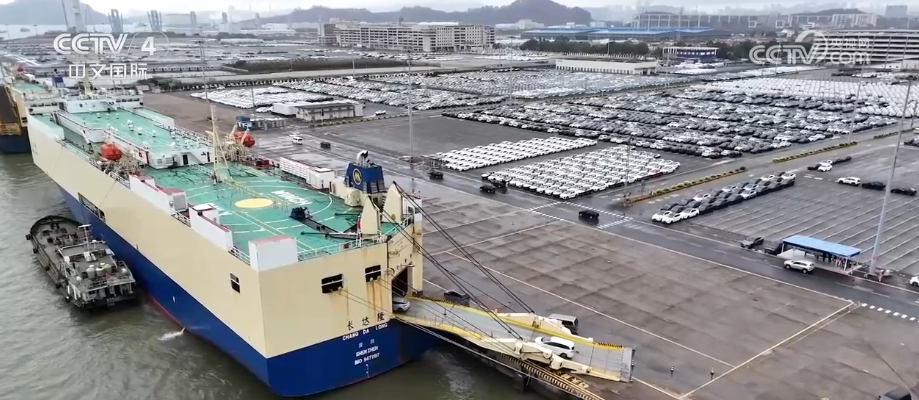
As export volumes continue to rise, the demand for Ro-Ro (Roll-on/Roll-off) vessels and container shipping has significantly increased. Since shipping capacity is limited, the market often experiences:
- Limited vessel space
- Longer booking times
- Shipping schedule delays
- Higher freight rates
Simply put, when demand exceeds available shipping capacity, freight prices naturally increase.
2. Red Sea Disruptions Have Increased Transportation Costs
One of the biggest factors affecting global shipping today is the security situation in the Red Sea.
To avoid potential risks, many international shipping companies have rerouted their vessels around the Cape of Good Hope instead of passing through the Suez Canal.
This alternative route results in:
- An additional 10–14 days of transit time
- Higher fuel consumption
- Increased crew and operating expenses
- Lower vessel utilization
Because ships complete fewer voyages each year, global shipping capacity is reduced, putting further upward pressure on freight rates.
3. Higher Fuel Prices Increase Shipping Cost
Fuel is one of the largest operating expenses for shipping companies.
When global oil prices rise, shipping lines face significantly higher operating costs, including:
- Marine fuel expenses
- Bunker Adjustment Factors (BAF)
- Vessel operating costs
To offset these additional expenses, shipping companies generally adjust their freight rates accordingly.
4. Port Congestion Reduces Shipping Efficiency
Many major international ports continue to experience congestion during peak seasons, including ports in:
- Singapore
- Rotterdam
- Antwerp
- The Middle East
- Africa
Port congestion often causes:
- Longer waiting times for vessels
- Delays in cargo handling
- Container shortages
- Slower cargo turnover
These factors reduce transportation efficiency and contribute to higher ocean freight costs.
5. Shipping Lines Continue to Adjust Capacity
Major global shipping companies regularly adjust their capacity according to market conditions.
Common measures include:
- Canceling sailings (Blank Sailings)
- Reducing available vessel space
- Consolidating shipping routes
When shipping capacity decreases while export demand remains strong, freight rates naturally increase.
6. Peak Shipping Seasons Drive Prices Higher
Ocean freight rates typically rise during global shipping peak seasons, such as:
- Christmas inventory preparation
- Black Friday shipments
- Chinese New Year export rush
- Year-end inventory replenishment
During these periods, shipping space becomes extremely limited, and freight costs often increase significantly.
Experienced importers usually reserve vessel space several weeks in advance to secure more competitive shipping rates.
How Can Car Importers Reduce Shipping Costs?
Although ocean freight rates fluctuate, there are several ways importers can minimize logistics expenses:
- Book shipping space as early as possible.
- Plan purchases before peak shipping seasons.
- Choose the most efficient shipping route.
- Work with experienced automobile export companies.
- Consolidate shipments whenever possible.
Good logistics planning can significantly reduce transportation costs and avoid unnecessary delays.
Conclusion
International ocean freight rates are influenced by multiple global factors, including growing automobile exports, geopolitical events, fuel prices, port congestion, shipping capacity adjustments, and seasonal demand.
While freight costs may fluctuate, partnering with an experienced Chinese automobile exporter can help you secure competitive shipping solutions, reliable delivery schedules, and professional logistics support.
At CPC Auto, we specialize in exporting high-quality Chinese vehicles to customers worldwide. Whether you are looking for container shipping or Ro-Ro transportation, our experienced logistics team will help you find the most efficient and cost-effective shipping solution for your business.
Contact us today for the latest vehicle prices and international shipping quotations.

Comments are closed